

Alcoholism is a problem that receives far too little public attention compared to the level of suffering it causes, both directly and indirectly. In this article, we continue to provide you with as much relevant, verified, and objective information as possible.
Alcoholism is not a lack of willpower
One of the most harmful beliefs about alcoholism is that it is simply a matter of lack of willpower or a moral failure. These beliefs not only stigmatize those who struggle with this disorder, but also prevent them from seeking help. In reality, alcoholism is a complex medical condition influenced by a combination of genetic, psychological, and environmental factors.
Research shows that genetics plays a significant role in the development of AUD. According to the National Institute on Alcohol Abuse and Alcoholism (NIAAA), genetic factors account for approximately 50% of the risk for alcoholism. People with a family history of alcohol dependence are more likely to develop AUD themselves because of inherited traits that affect the way the body processes alcohol and experiences its effects. However, genetics alone cannot determine whether someone will become alcoholic. Environmental factors, such as exposure to excessive alcohol use in childhood, trauma, stress, and mental health disorders, also contribute to the development of AUD.
For many people with AUD, alcohol use becomes a way of coping with underlying problems such as anxiety, depression, or unresolved trauma. Alcohol may temporarily numb these experiences, but over time it worsens them, leading to a dangerous cycle of “self-medication.” This is one of the reasons why many people with AUD also suffer from co-occurring mental health disorders, and why treating both the addiction and the underlying mental health issues is essential for successful recovery.
The progressive nature of alcohol use disorder
AUD is a progressive disorder, which means that, left untreated, it worsens over time. In the early stages, someone may drink excessively only in social situations or may use alcohol to relax after a stressful day. However, as their tolerance increases and dependence sets in, their drinking patterns escalate. What may begin as heavy drinking on weekends can quickly turn into daily drinking, with alcohol becoming the central focus of their life.
The progression of alcoholism often follows a predictable pattern
Early stage: increased tolerance, drinking more than is reasonable, and using alcohol as a way to cope with stress or negative emotions.
Middle stage: drinking in secret, neglecting responsibilities, blackouts, and losing control over alcohol use despite the desire to cut down.
Late stage: physical dependence, withdrawal symptoms in the absence of alcohol, serious health problems, deteriorating relationships, and a significant decline in quality of life.
Without intervention, AUD can lead to a range of long-term consequences, including liver disease such as cirrhosis and fatty liver disease, heart disease, pancreatitis, and an increased risk of several types of cancer. Chronic alcohol use can also affect the brain, leading to cognitive impairment, memory loss, and conditions such as Wernicke-Korsakoff syndrome, a severe memory disorder caused by vitamin B1 deficiency, also known as thiamine deficiency, commonly seen in people with alcoholism.
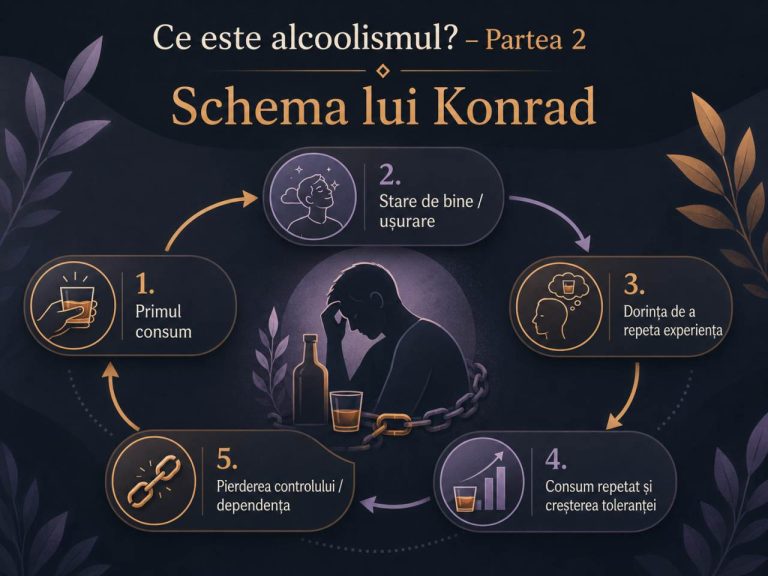
Why alcoholism is a disease, not a choice
Understanding that alcoholism is a disorder rather than a choice is essential both for those who suffer from this condition and for their families. The brain changes caused by chronic alcohol use influence a person’s ability to make rational decisions, control impulses, and regulate emotions. This is why people with AUD often continue drinking even though they know it is destroying their health, relationships, and career.
By recognizing alcoholism as a disorder, we can shift the focus from blame to treatment. Like other chronic illnesses, such as diabetes or heart disease, AUD requires long-term management and support. Treatment often involves a combination of behavioral therapy, medication, and support groups such as Alcoholics Anonymous, where people can find guidance and encouragement from others who understand their struggle.
The role of Alcoholics Anonymous groups in recovery
AA groups are a community of people who share their experience, strength, and hope with one another in order to solve their common problem and help others recover from alcoholism.
One of the reasons the group is so effective is that it offers people with addiction a community of peers who understand the challenges of alcoholism. This peer support is crucial because it helps reduce feelings of isolation and shame, which are common barriers to seeking help. AA meetings are available in most cities and are free and confidential, open to anyone struggling with alcohol addiction.
Take the first step: seek help
If you or someone close to you is carrying the burden of alcoholism, the most important thing you need to understand is that help is available. AUD is a treatable disorder, and recovery is possible with the right support. Through support groups, counseling, medical treatment, or a combination of these, millions of people have successfully overcome alcoholism and rebuilt their lives.
Recognizing the signs of AUD, such as increased tolerance, loss of control over alcohol use, and withdrawal symptoms, is the first step toward recovery. If these signs feel familiar to you, reach out to us.
In Oradea, we offer in-person meetings and counseling:
For people struggling with addiction: – tel. 0744.514.552 – Claudiu